Can Supplements Replace Diabetes Medication? A Straight Answer
No. No dietary supplement, however well formulated, should replace prescribed diabetes medication or insulin — and any product implying otherwise is making a claim it is not permitted to make.
Understanding why helps set the right expectations, and the right questions to bring to your doctor.
Why the distinction matters medically
Diabetes medication and insulin are prescribed based on your specific diagnosis, blood sugar patterns, and other health factors your doctor evaluates directly, often with regular blood testing to adjust dosing over time. A dietary supplement has none of that individualised medical oversight, has not gone through the clinical trial and regulatory approval process that medications undergo, and its exact strength per serving is often not even disclosed.
What a well-formulated supplement can realistically add
Ingredients studied for their association with glucose metabolism, insulin sensitivity or stress response may offer a complementary layer of nutritional support alongside — never instead of — your prescribed treatment. This is a genuinely reasonable role for a supplement to play, but it is a supporting role, not a replacement one.
Red flags in marketing language
What to actually discuss with your doctor
If you do not have a diabetes diagnosis
For healthy adults without a diabetes diagnosis, a blood-sugar-support supplement is generally positioned as general wellness support, not disease management — a meaningfully different and lower-stakes use case than someone managing an existing diagnosis.
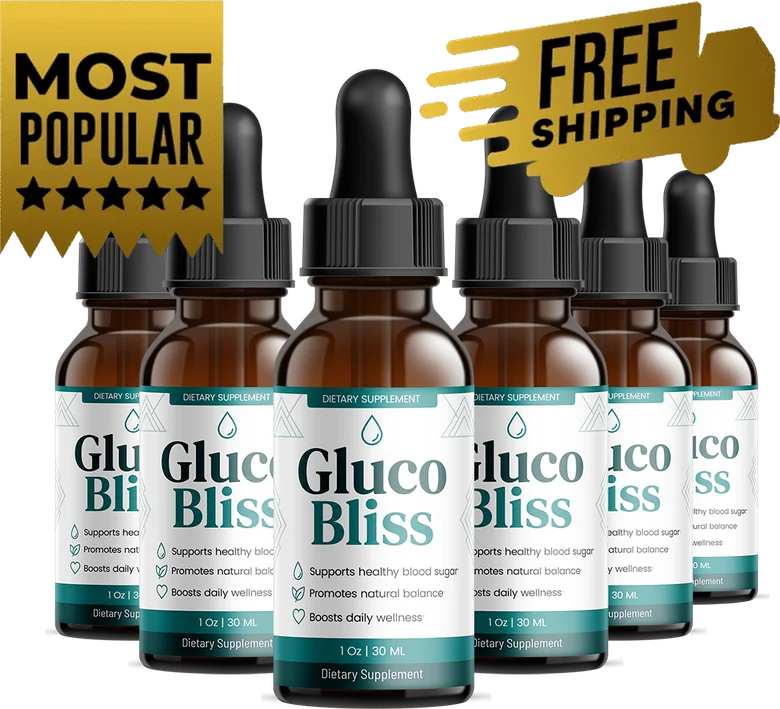
Applying this to GlucoBliss
GlucoBliss's own positioning is as a supportive wellness supplement, not a diabetes treatment, and that is the correct framing for this category. If you have diagnosed diabetes, the conversation above is worth having with your doctor before adding any supplement, this one included.